A Complete Guide to Condition, Damage, and Grading Terminology
October 15, 2025
When buying, selling, or grading Pokémon cards, you’ll often come across terms like print line, silvering, edge wear, or binder dent.
But what do these defects actually mean—and how do they affect a card’s condition, value, and grading potential?
In this in-depth guide, we break down the most common Pokémon card defects, both factory-related and user-caused. Whether you’re a collector, investor, or seller, understanding these terms will help you accurately evaluate cards and avoid costly mistakes.
Why Understanding Pokémon Card Defects Matters
Knowing how to identify defects and damage helps you:
- Accurately estimate a card’s market value
- Avoid overpaying as a buyer
- Choose the right cards to send for grading
- Describe condition clearly and honestly when selling
- Understand why a card grades PSA 9 instead of PSA 10
Condition knowledge is one of the most important skills in Pokémon card collecting.
Common Factory-Related Pokémon Card Defects
These defects occur during the manufacturing process and are not caused by the owner.
1. Print Line

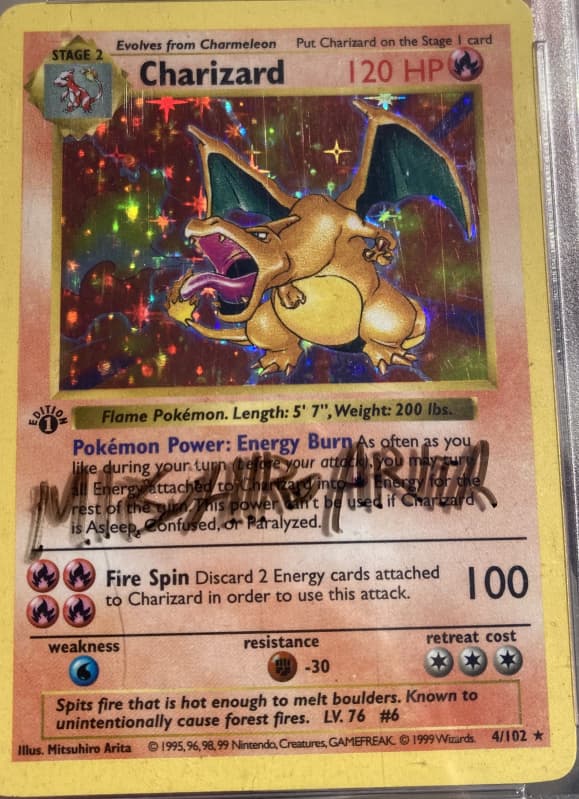
Description:
A thin, straight line—usually horizontal or vertical—visible on the holofoil surface. Print lines are often easiest to see under strong light or at certain angles.
Impact on Value & Grading:
- Very common, especially on older holo cards
- Less severe than scratches, but still noticeable
- Often drops a card from PSA 10 to PSA 9
2. Silvering
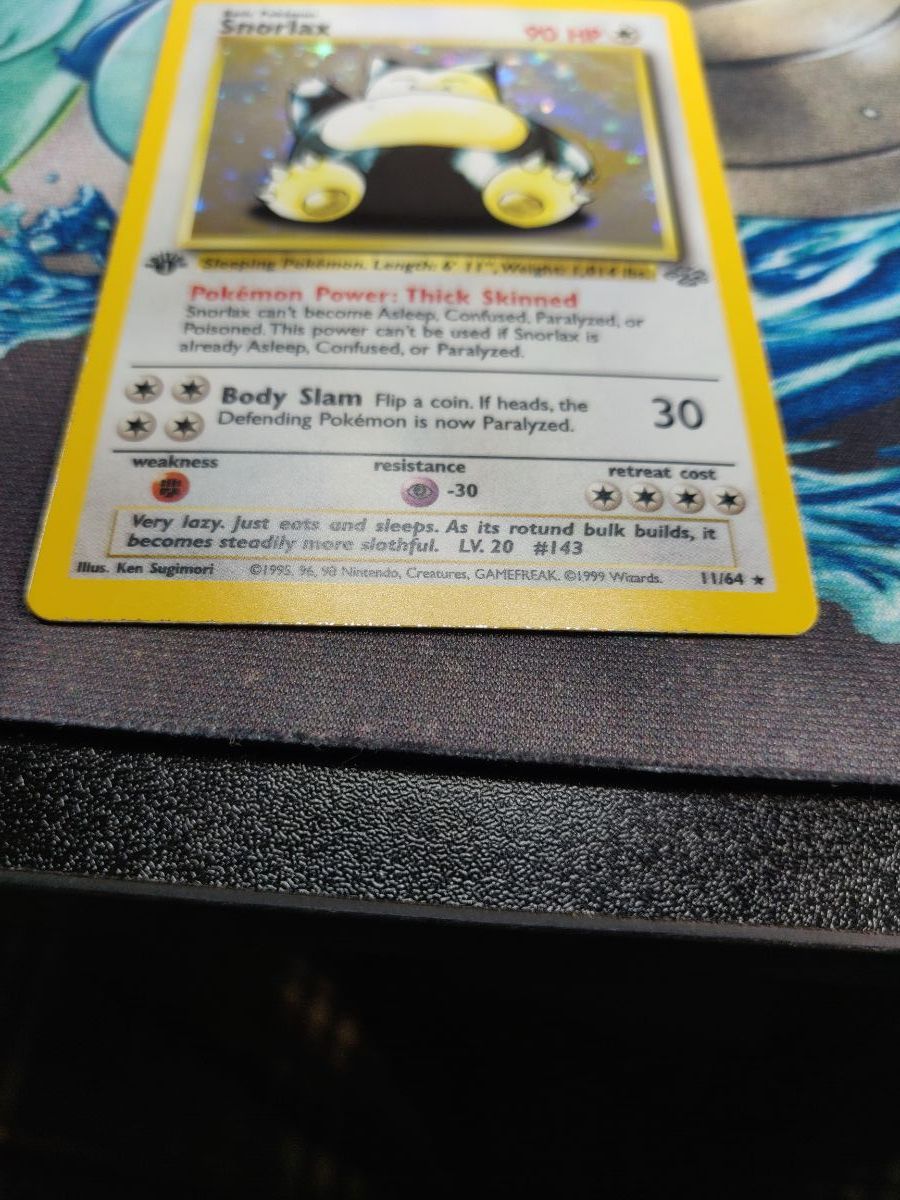

Description:
Small shiny flecks or fibers along the card edges, caused by the cutting process at the factory.
Impact on Value & Grading:
- Makes a card look worn even if it’s pack-fresh
- Common on Wizards of the Coast-era cards and some promos
- Can reduce condition to Near Mint–Excellent, depending on severity
3. Off-Center or Miscut

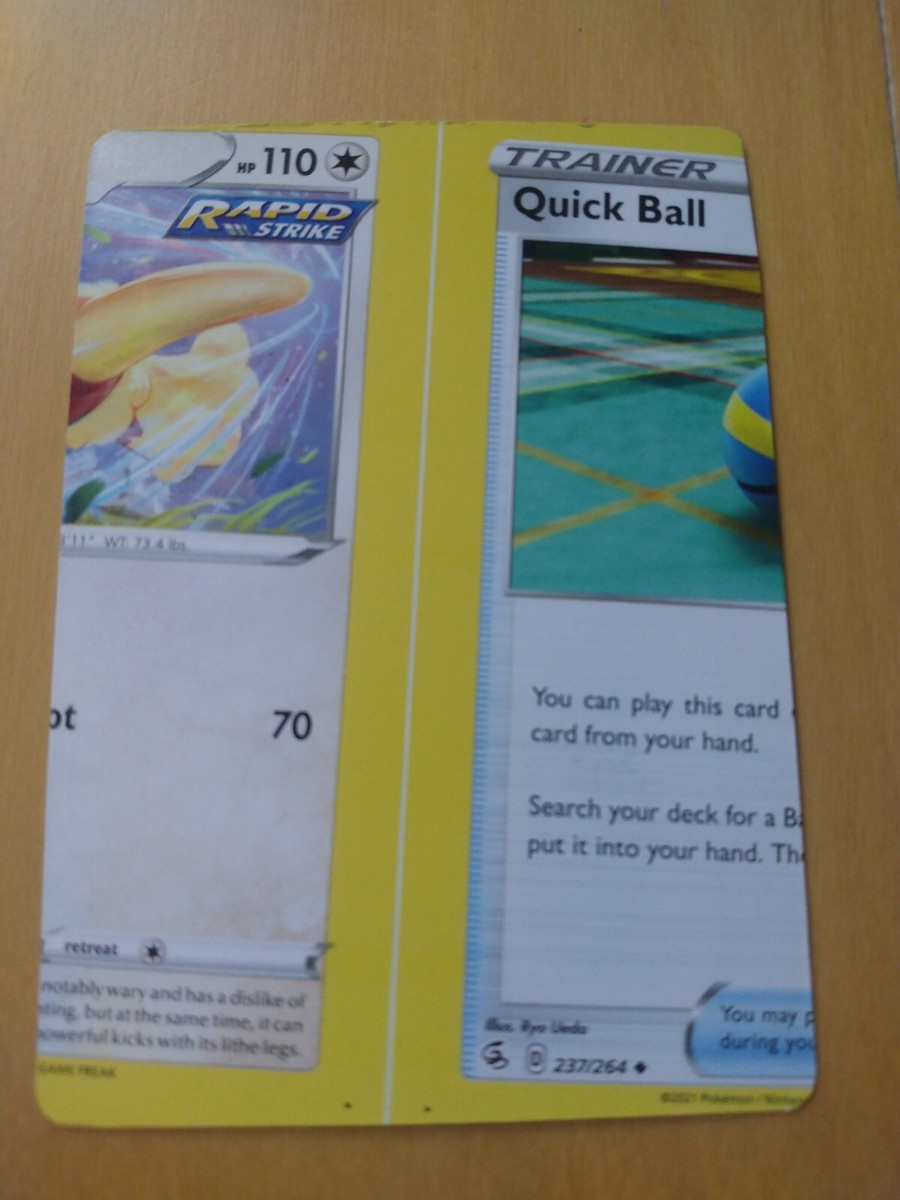
Description:
The artwork and borders are not properly centered. In extreme cases, part of another card may be visible.
Impact on Value & Grading:
- Strongly negative for collectors seeking perfect condition
- Severe miscuts can be collectible as errors
- Centering heavily affects PSA and BGS grades
4. Print Dots / Ink Spots


Description:
Small dots or spots of excess ink on the card surface.
Impact on Value & Grading:
- Relatively rare
- Minor dots may still grade PSA 8–9
- Larger or multiple spots reduce eye appeal
Common User-Caused Pokémon Card Damage
These defects occur after production, due to handling, storage, or play.
5. Edge Wear / Whitening
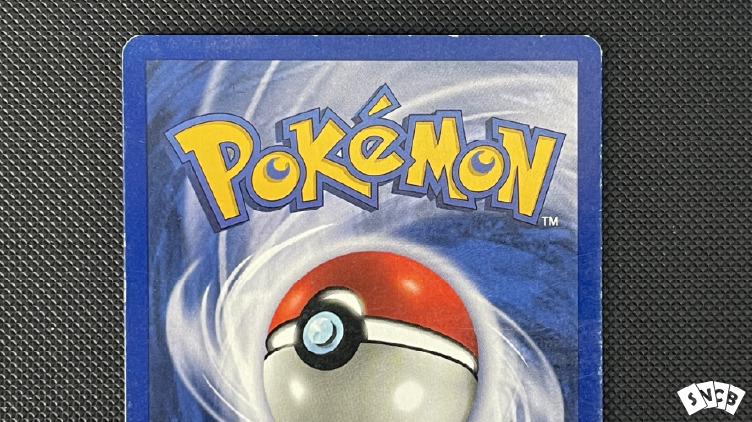
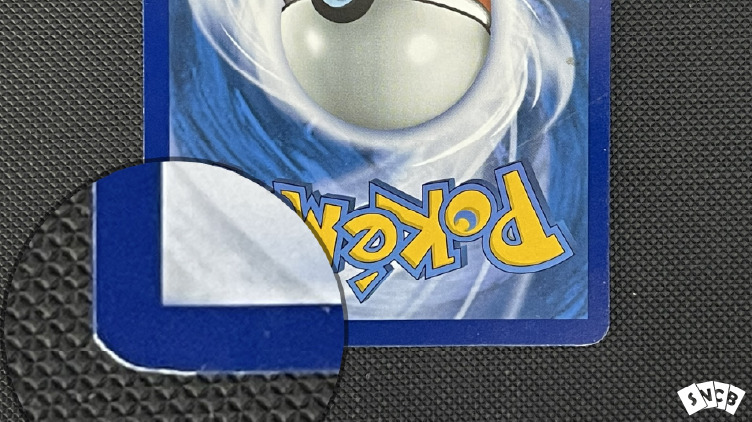
Description:
White marks along the edges or corners, usually caused by friction with other cards or boxes.
Impact on Value & Grading:
- One of the most common forms of damage
- Light whitening may still be Near Mint
- Heavy wear pushes cards into Played condition
6. Binder Dent


Description:
A small indentation, often circular, caused by binder rings or pressure from stacked objects.
Impact on Value & Grading:
- Usually visible on the back of the card
- Considered a surface dent, not a crease
- PSA typically assigns PSA 6–7, depending on severity
7. Surface Scratches


Description:
Light to deep scratches on the holofoil or artwork, often from unsleeved handling or improper cleaning.
Impact on Value & Grading:
- Extremely common on holo cards
- Grading companies are strict
- Can result in PSA 7–9, depending on visibility
8. Crease (Fold Damage)
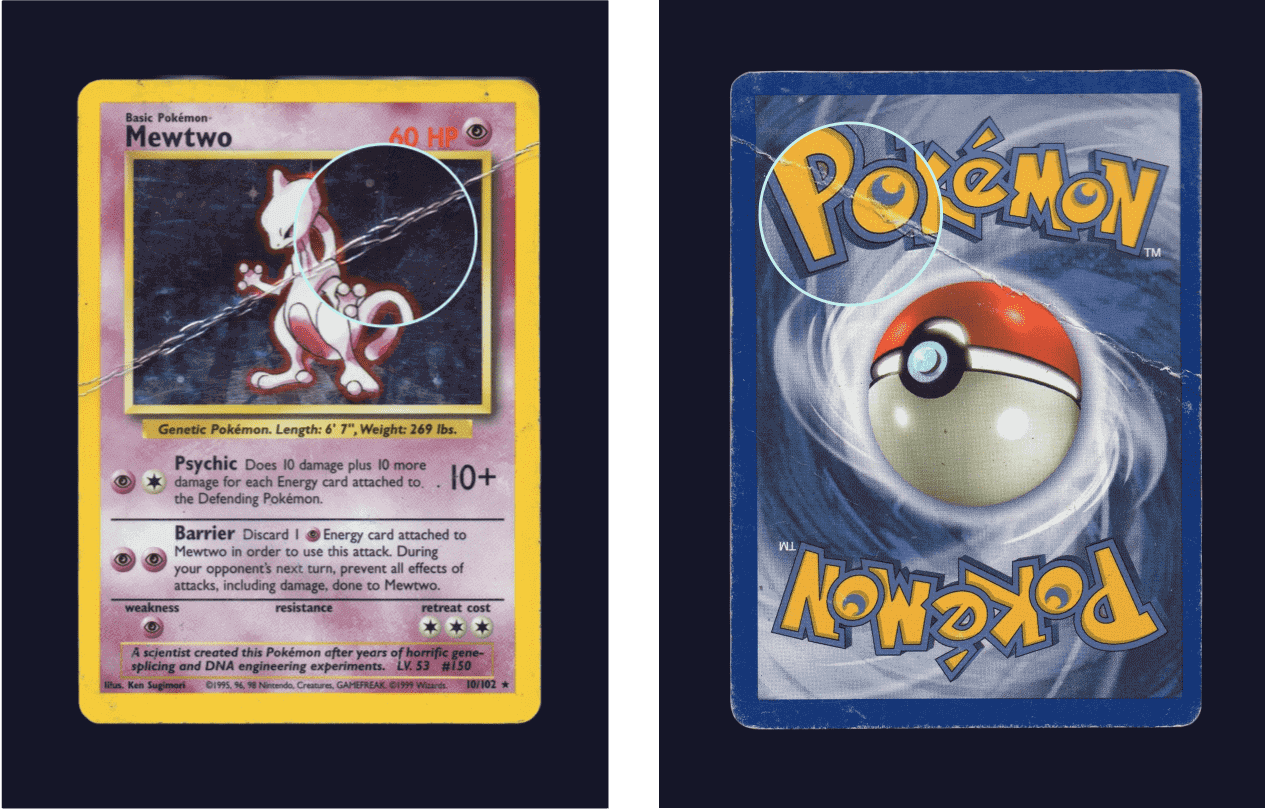

Description:
A visible fold or bend in the card, often caused by bending, dropping, or improper storage.
Impact on Value & Grading:
- Severe damage regardless of other condition factors
- Almost always limits a card to PSA 5 or lower
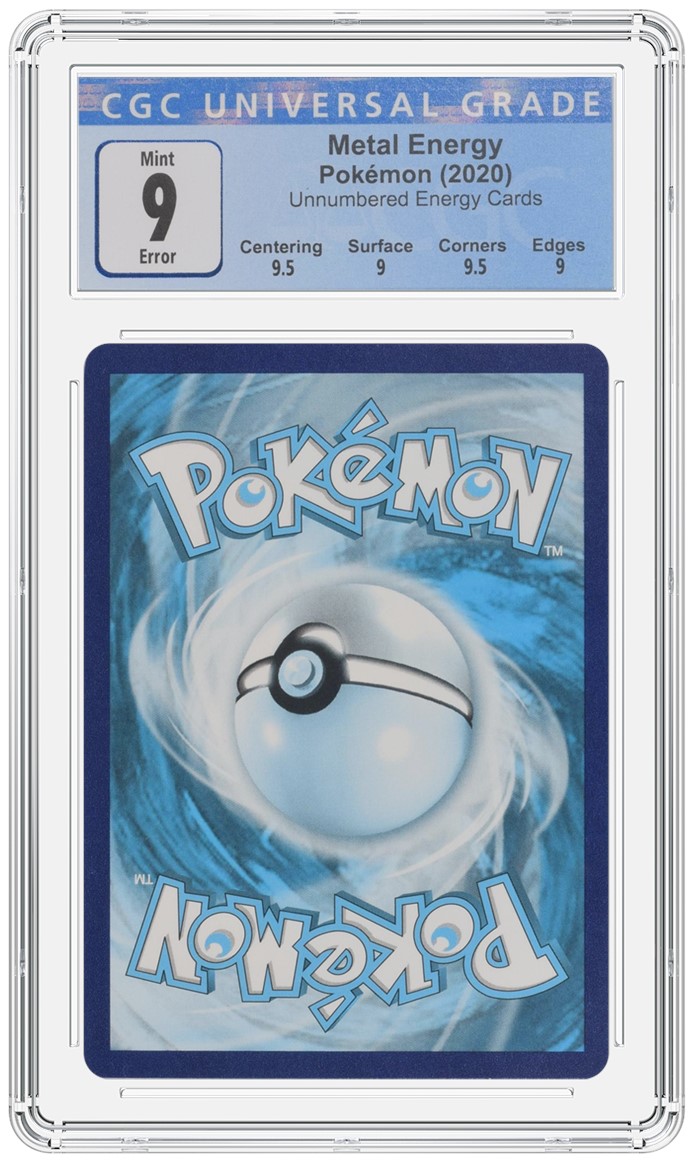
9. Fading / Discoloration

Description:
Loss of color or uneven discoloration, usually caused by UV light, moisture, or poor storage conditions.
Impact on Value & Grading:
- Reduces eye appeal significantly
- Lowers both collector demand and grading potential
How Grading Companies Evaluate Defects
Professional grading companies like PSA, CGC, and BGS examine:
- Surface: scratches, print lines, dents
- Edges & corners: whitening, silvering, chipping
- Centering: front and back alignment
- Structural issues: creases, bends, stains
Example:
- A near-perfect card with a minor print line → often PSA 9
- A single dent or crease → rarely higher than PSA 6–7
Final Thoughts for Pokémon Card Collectors
Understanding Pokémon card defects is essential if you want to collect smart, grade confidently, and sell transparently. Even small flaws can have a big impact on value—especially at higher grades.
At Pokemastersvault.com, we believe knowledge is one of the most valuable tools a collector can have. Use this guide as a trusted reference whenever you evaluate a card, and you’ll be one step closer to mastering Pokémon card condition, value, and grading.
Ready to grow your collection? Explore our selection of authentic Japanese PSA Graded Cards HERE