
How to Start Collecting Pokémon Cards in 2026

Pokémon card collecting is more popular than ever. In 2026, the Pokémon Trading Card Game (TCG) continues to attract new collectors, nostalgic fans, investors, and competitive players alike. But if you’re just starting out, the hobby can feel overwhelming: sets, rarities, grades, prices, English vs Japanese cards—where do you even begin?
This guide will walk you step by step through how to start collecting Pokémon cards in 2026, whether your goal is fun, nostalgia, long-term value, or all three.
1. Decide Why You Want to Collect Pokémon Cards
Before buying anything, define your goal. This will shape every decision you make.
Common collecting goals:
- Nostalgia: Cards from your childhood or favorite Pokémon
- Artwork: Collecting based on illustration style or artists
- Sets: Completing full Pokémon TCG sets
- Value & investing: Holding cards long-term
- Grading: Submitting cards to PSA, CGC, or BGS
There is no “right” reason to collect—but having a focus prevents overspending and regret.
2. Learn the Basics of Pokémon Card Rarity
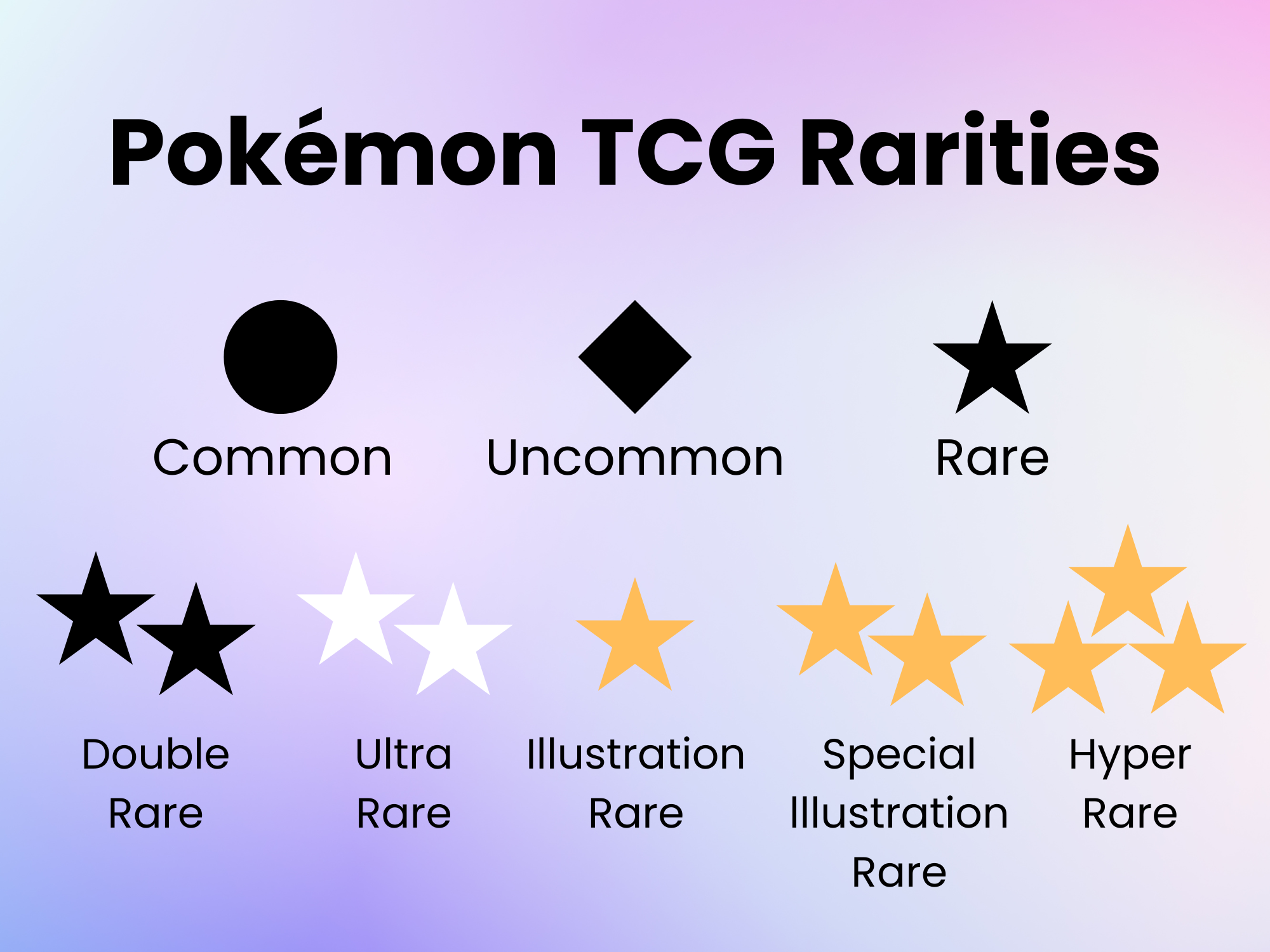
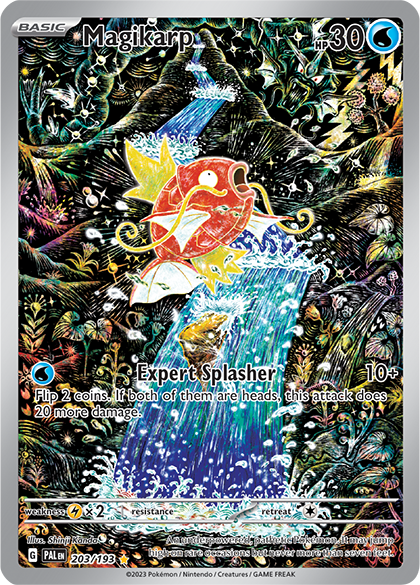
Understanding rarity is essential when starting out.
Common rarity types:
- Common / Uncommon / Rare – Basic pulls
- Holo Rare – Shiny artwork
- Ultra Rare – Full Arts, EX, V, GX
- Secret Rare – Gold cards, rainbow rares
- Illustration Rare / Special Illustration Rare – Highly collectible modern cards
Rarity does not always equal value, but it plays a big role—especially when combined with condition and demand.
3. Choose Between Modern and Vintage Pokémon Cards
Modern Pokémon Cards (2018–2026)
Pros
- Easier to find
- Lower entry cost
- Higher print quality
- Fun chase cards
Cons
- Many cards are overprinted
- Value growth is slower for most cards
Vintage Pokémon Cards (1999–2003)
Pros
- Strong nostalgia
- Limited supply
- High long-term demand
Cons
- Expensive
- Condition is critical
- More fakes on the market
👉 Beginner tip: Start modern, learn condition and pricing, then move into vintage later.
4. English vs Japanese Pokémon Cards
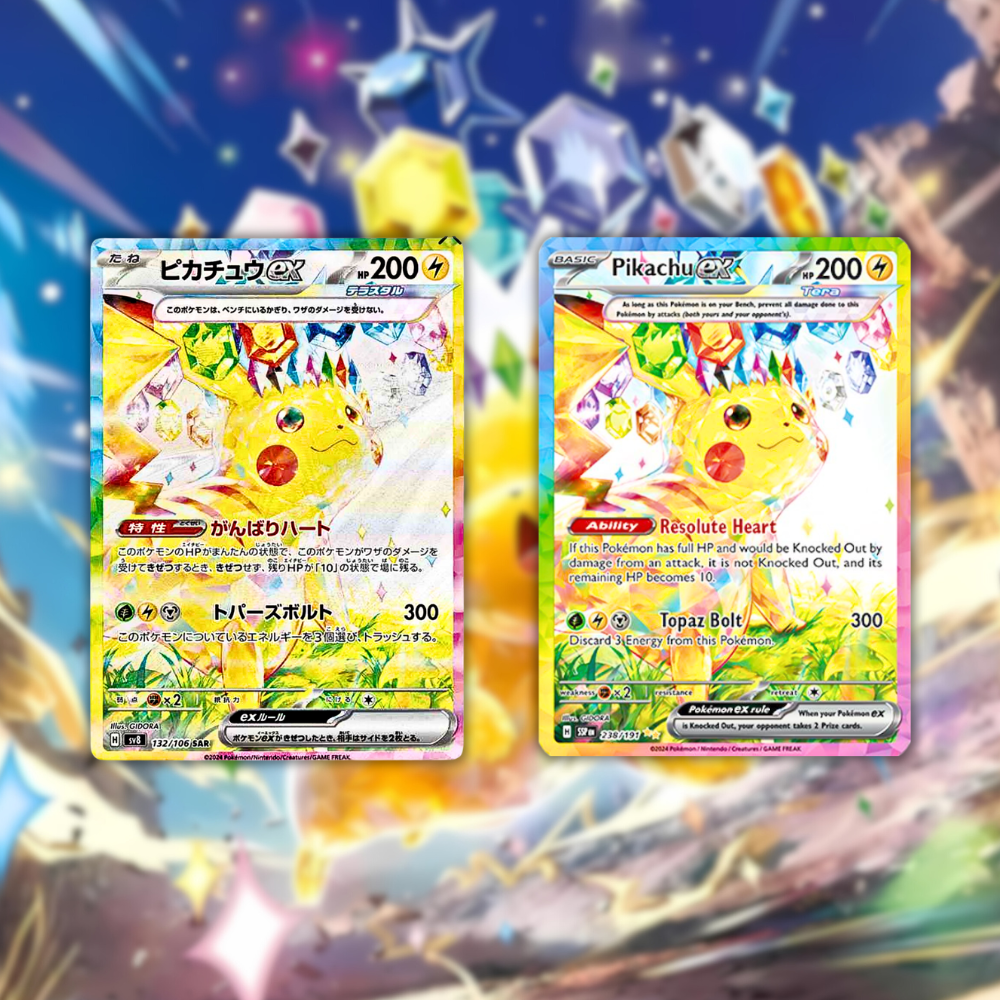
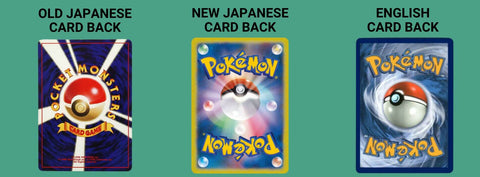
One of the biggest beginner questions.
English cards:
- Larger market
- Higher resale demand
- Often more expensive in high grades
Japanese cards:
- Better print quality
- Sharper centering
- Often cheaper for the same artwork
Many experienced collectors mix both. In 2026, Japanese cards remain a smart entry point for quality-focused collectors.
5. Protect Your Cards From Day One

Condition is everything. Even a small flaw can cut a card’s value in half.
Must-have supplies:
- Penny sleeves (soft sleeves)
- Toploaders or semi-rigids
- Binders with side-loading pages
- Storage boxes
- Silica packs for humidity control
Never store cards loose, stacked, or exposed to sunlight.
6. Understand Card Condition Early
Pokémon cards are commonly described as:
- Mint / Gem Mint
- Near Mint
- Excellent
- Played
- Damaged
Whitening, scratches, print lines, dents, and creases all affect condition—and future grading results. Learning this early will save you money.
7. Should You Open Packs or Buy Singles?
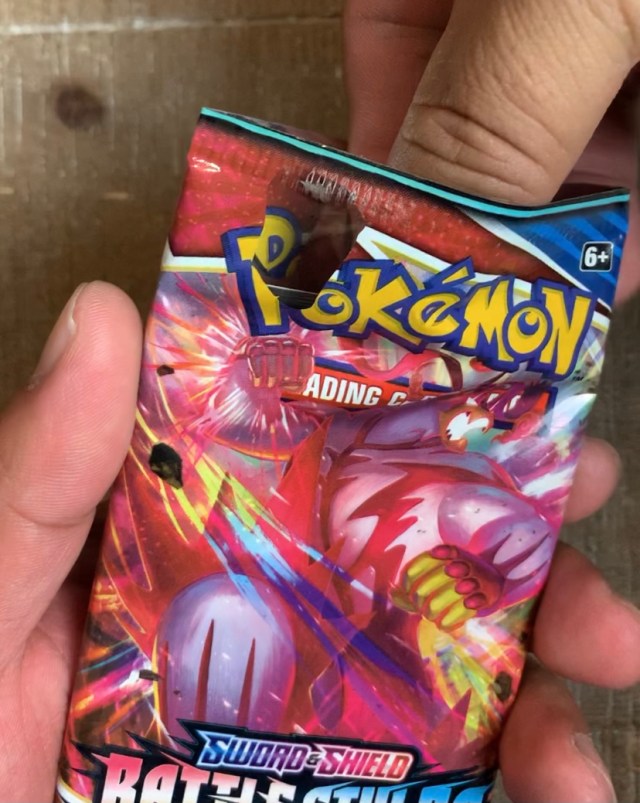

Opening packs:
- Fun and exciting
- Great for casual collecting
- Usually not cost-efficient
Buying singles:
- More control
- Better value
- Ideal for set building and grading
Best strategy:
Open packs for fun, buy singles for serious collecting.
8. Pokémon Card Grading: When to Start?
Grading can significantly increase value—but not every card is worth grading.
Consider grading if:
- The card is valuable ungraded
- Condition is Near Mint or better
- Demand is strong
- Long-term holding is your goal
As a beginner in 2026, focus on learning condition first, grading second.
9. Avoid Common Beginner Mistakes
- Buying hype cards without research
- Ignoring condition
- Overpaying for “PSA 10 potential”
- Poor storage
- Trusting unverified sellers
Patience is one of the most valuable skills in Pokémon collecting.
10. Build Your Collection With Intention
Successful collectors don’t buy everything—they buy with purpose.
Ask yourself regularly:
- Do I still like this card?
- Does it fit my goal?
- Would I buy it again today?
Pokémon card collecting should be fun, not stressful.
Final Thoughts: Is 2026 a Good Time to Start?
Yes. Pokémon remains one of the strongest and most recognizable collectibles in the world. Whether you collect for fun, nostalgia, or long-term value, starting in 2026 is still a great decision—as long as you take the time to learn the basics.
At Pokemastersvault.com, we believe smart collectors are informed collectors. Use this guide as your foundation, and you’ll avoid most beginner mistakes before they happen.