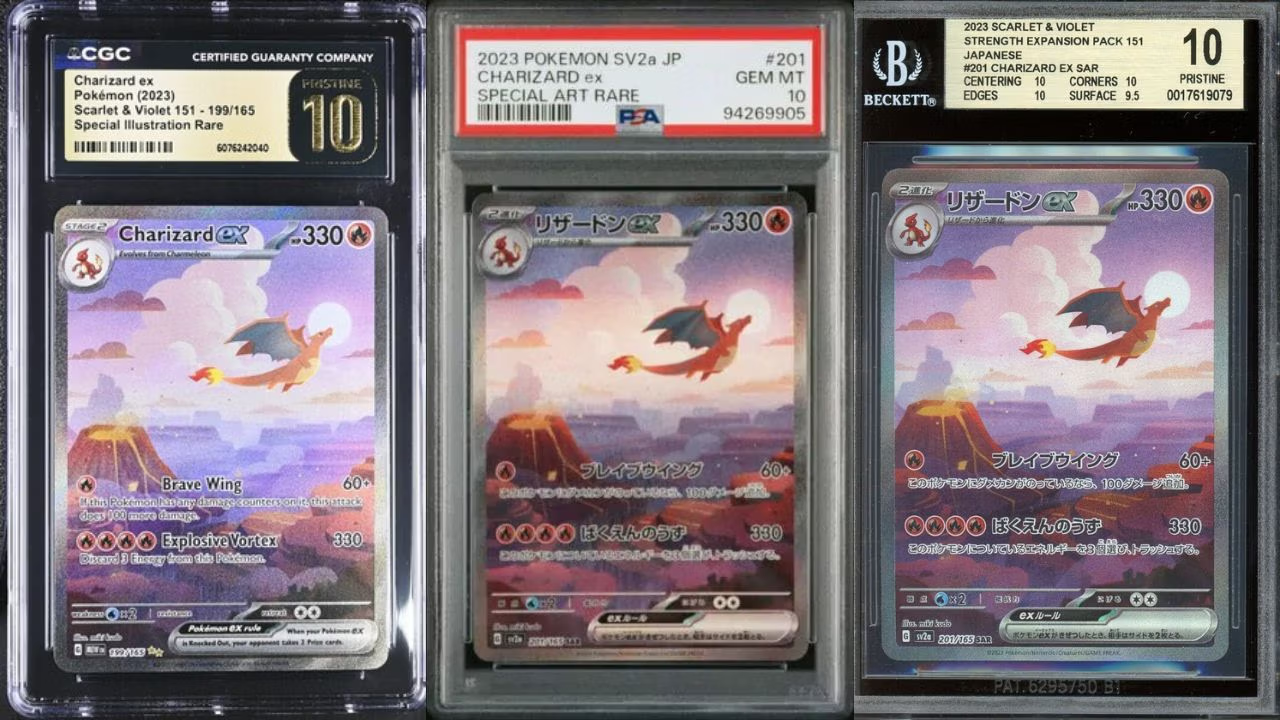
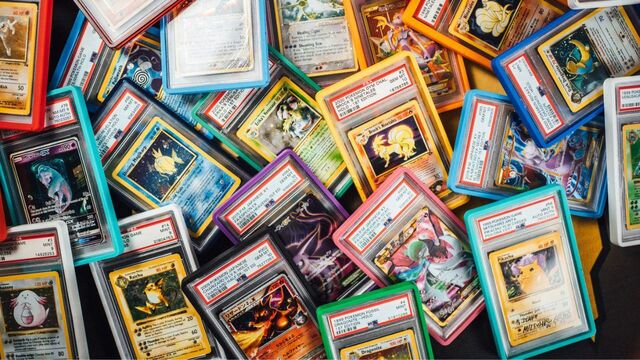
PSA’s latest service-level changes could have a major impact on Pokémon card grading, Pokémon card investing, and the long-term value of thousands of rare Pokémon cards. As grading costs rise, collectors may soon discover that some cards are simply no longer worth sending to PSA.
For years, PSA grading has been one of the most important tools in the Pokémon card hobby. Whether collectors were submitting modern alternate arts, vintage holos, Gold Stars, or promotional cards, the goal was simple: achieve a high PSA grade and increase the card’s value.
That strategy helped fuel one of the largest booms in Pokémon card collecting history.
Now, however, PSA’s continued service restructuring is forcing collectors to rethink everything.
As grading costs increase and lower-tier submission options disappear, many collectors are beginning to realize a difficult truth:
The economics of Pokémon card grading are changing.
And those changes could have serious consequences for rare Pokémon cards across the hobby.
PSA’s Service Changes Signal a New Era for Pokémon Card Grading
PSA remains the industry’s largest and most influential grading company. A PSA 10 continues to command some of the strongest premiums in the trading card market.
However, recent PSA service-level updates indicate a continued focus on premium submissions, operational efficiency, and demand management.
For high-value cards, these changes may not seem significant.
Collectors grading a trophy card, a 1st Edition Base Set Charizard, or a high-end Japanese exclusive will likely continue submitting regardless of grading costs.
But the vast majority of Pokémon collectors don’t own cards worth thousands of dollars.
Instead, they own cards worth $25, $50, $100, or perhaps a few hundred dollars.
And that’s where rising grading costs become a serious problem.
Why More Expensive PSA Grading Changes Everything
Every Pokémon card submission involves more than just the grading fee.
Collectors must also account for:
- Shipping costs
- Insurance costs
- Submission fees
- Membership costs
- Opportunity cost while cards are away for grading
- The risk of receiving a lower-than-expected grade
When all of these expenses are combined, the margin for error becomes much smaller.
A card worth $40 raw might once have been an easy grading candidate.
Today, collectors must carefully evaluate whether the potential increase in value justifies the total grading expense.
This shift is transforming how collectors approach Pokémon card investments.
Rare Pokémon Cards Are Not Automatically Good Grading Candidates
One of the biggest misconceptions in the hobby is that rarity alone makes a card worth grading.
That’s no longer true.
A card can be:
- Rare
- Difficult to pull
- Popular with collectors
- Part of a limited release
And still fail the grading economics test.
If a rare Pokémon card sells for $50 raw and only reaches $80 as a PSA 10, rising grading costs can eliminate most of the profit potential.
As PSA grading becomes more expensive, collectors must become increasingly selective.
The result?
Many genuinely rare Pokémon cards may remain ungraded simply because the numbers no longer make sense.
Modern Pokémon Cards Face the Greatest Risk
Modern Pokémon cards are particularly vulnerable.
Over the past several years, millions of modern cards have been submitted for grading.
Alternate arts, illustration rares, secret rares, trainer gallery cards, and special promotional releases have flooded grading pipelines.
At the same time, PSA population reports continue growing.
More PSA 10 copies enter the market every month.
More supply creates greater competition.
And greater competition places downward pressure on prices.
As grading costs rise, many modern cards will need significantly higher market values to justify submission.
This creates a situation where only the strongest cards may remain viable grading candidates.
The Hidden Impact on the Pokémon Card Market
The biggest story may not be higher grading fees.
The bigger story could be fewer submissions overall.
If collectors stop grading lower and mid-tier cards, several market effects may emerge:
- Fewer authenticated cards available for buyers
- Slower growth in PSA population reports
- Less market transparency
- Reduced confidence when purchasing raw cards
- More difficulty establishing true market value
For years, grading has provided trust and liquidity within the Pokémon card market.
A decline in submissions could gradually alter how collectors buy, sell, and invest.
Vintage Pokémon Cards Could Benefit
Ironically, rising grading costs may strengthen the position of premium vintage cards.
Cards such as:
- 1st Edition Base Set holos
- Gold Star Pokémon
- Neo Destiny Shinings
- Trophy Pokémon cards
- Rare Japanese promotional cards
are often valuable enough that grading fees become relatively insignificant.
These cards will likely continue entering PSA holders regardless of pricing changes.
As a result, the gap between elite collectible Pokémon cards and mid-tier rare cards may continue expanding.
What Pokémon Collectors Should Do Before Grading
Before submitting any card for PSA grading, collectors should evaluate:
- Current raw market value
- Expected PSA 9 value
- Expected PSA 10 value
- Population report trends
- Card condition and gem-rate potential
- Total grading-related expenses
Successful Pokémon card investing increasingly depends on understanding grading economics rather than simply chasing rarity.
The collectors who adapt will likely make better long-term decisions.
Final Thoughts: The Future of Pokémon Card Grading Is Changing
PSA’s latest service-level updates may represent more than just a pricing adjustment.
They could signal a major shift in how collectors approach grading rare Pokémon cards.
The days of sending every promising pull for grading may be ending.
Instead, collectors will need to become more selective, more strategic, and more focused on long-term value.
For some cards, PSA grading will remain essential.
For others, the costs may simply outweigh the rewards.
And that raises an important question for the future of the hobby:
How many rare Pokémon cards will remain raw—not because they aren’t collectible, but because grading them no longer makes financial sense?
Explore PSA Graded Pokémon Cards
Looking for professionally graded Pokémon cards already authenticated and encapsulated by PSA?
Browse the latest selection of PSA graded Pokémon cards, rare Pokémon collectibles, vintage Pokémon cards, and investment-grade slabs available at Pokemastersvault.
? Explore our PSA Graded Pokémon Card Collection here: https://pokemastersvault.com/product-category/graded-cards/
Whether you’re building a collection, investing in high-grade cards, or searching for rare Pokémon grails, Pokemastersvault offers trusted PSA-graded inventory for collectors of every level.