
How to Spot Fake Pokémon Cards: A Collector’s Guide (2025)
Introduction
The Pokémon Trading Card Game (TCG) has been beloved by collectors and players for decades. With its rising popularity, fake Pokémon cards have become increasingly common. Whether you’re a serious collector or just starting out, knowing how to identify counterfeit cards is essential to protect your collection and your wallet.
In this guide, we’ll break down the most common signs of fake Pokémon cards and give you simple tips to avoid being scammed.
1. Check the Print Quality
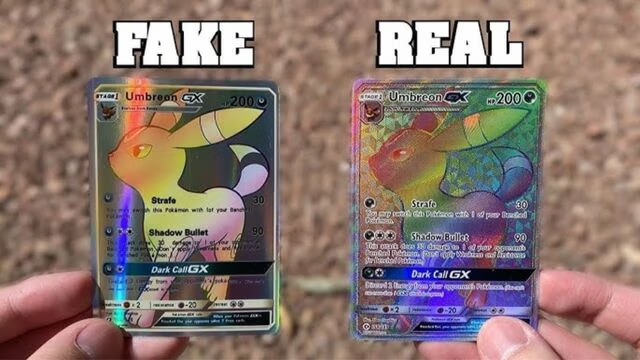
Official Pokémon cards are printed with high-quality images and vibrant colors. Counterfeit cards often look blurry, pixelated, or have incorrect shades. Always compare with a real card if you’re unsure.
👉 Pro tip: Pay special attention to the energy symbols and font. If the letters look “off” or too bold, it’s likely fake.
2. Feel the Card Texture
Authentic Pokémon cards have a specific texture and weight due to their layered printing process. Fakes are often thinner, flimsier, or feel glossy in a way that real cards don’t.
3. Look at the Card Back
The back of a Pokémon card should have consistent blue coloring with a centered Poké Ball. Fake cards often have lighter or darker blue tones, off-center printing, or uneven borders.
4. Verify the Holo Pattern
Shiny or holographic cards are the most targeted by counterfeiters. Genuine holo Pokémon cards have even, detailed patterns. Fake ones often look too shiny, flat, or with repeating patterns that don’t exist in real cards.
5. Check Card Details
- HP values: Some fakes list impossible HP numbers (like 2000 HP on a basic Pokémon).
- Set symbols: Counterfeits often use the wrong expansion logo.
- Spelling mistakes: Words like “Pokeman” instead of “Pokémon” are a clear red flag.
6. Buy From Trusted Sources
The safest way to avoid fake Pokémon cards is to purchase from reputable sellers, official Pokémon retailers, or trusted trading communities. If the deal seems too good to be true, it usually is.
Conclusion
Spotting fake Pokémon cards doesn’t have to be difficult. By checking print quality, texture, holo patterns, and details, you can protect your collection from counterfeits. Always remember: trust your instincts and buy from reliable sources.